The future of workplace safety is here, and it’s powered by a nervous system of sensors, data models, and autonomous intelligence. By 2025, Artificial Intelligence (AI) will have fundamentally shifted safety management from a reactive, compliance-driven function to a proactive, predictive science.
The goal is no longer to investigate accidents but to prevent them from ever occurring. Here are five core ways AI tools are creating unprecedented safety records across industries like construction, manufacturing, and logistics.
- Predictive Analytics: Stopping ‘Near Misses’ Before They Start
- Computer Vision: Real-Time PPE and Hazard Compliance
- Automated Robotics: High-Risk Task Isolation
- AI-Driven Fatigue and Distraction Monitoring
- Digital Twin Simulation: Optimizing Ergonomics and Workflow
At ACUTE, we specialize in customized safety training programs that help businesses protect their employees and meet compliance standards.
Keu Takeaways
- The future safety manager is a “Safety Data Scientist.” Their role is no longer to observe a construction site with a clipboard, but to manage and interpret the flood of data generated by AI systems. New training must emphasize:
-
System Oversight: Training AI to recognize local hazards and intervening when a model makes a bad prediction or generates a false positive.
-
Data Interpretation: Understanding the causality behind predictive alerts and formulating non-AI interventions (e.g., why is the forklift crashing in that specific spot?).
-
Ethical Deployment: Ensuring that monitoring systems are deployed fairly, ethically, and in a way that builds trust rather than resentment among the workforce.
-
- In 2025, the greatest safety hazard isn’t the machine; it’s the untrained human managing the AI that controls the machine. The time to adapt training is now.
1. Predictive Analytics: Stopping ‘Near Misses’ Before They Start
AI’s greatest strength is its ability to identify complex patterns invisible to human analysts. Predictive Analytics utilizes machine learning to ingest thousands of data points—everything from sensor readings and maintenance logs to weather patterns and shift handover times—to calculate the probability of an incident.
How it works: Machine learning models in logistics warehouses can flag a specific loading dock as a high-risk area for the next 48 hours based on a unique confluence of factors: a cold front affecting floor grip, two consecutive night shifts ending, and a specific forklift model reaching its service hour threshold. A human supervisor then receives a pinpointed, actionable alert to increase lighting or delay non-critical operations.
A major automotive manufacturer implemented AI-driven predictive maintenance across their production lines, resulting in a 35% reduction in unplanned downtime (a leading indicator of severe equipment incidents) and saving $2.3 million annually. This demonstrates AI’s power to prevent production stops and critical failures by detecting anomalies days in advance
2. Computer Vision: Real-Time PPE and Hazard Compliance
Computer Vision systems—using standard or thermal camera feeds—are turning every job site into a self-monitoring environment. These AI tools are constantly scanning, detecting, and alerting personnel to unsafe acts or conditions in real time.
How it works: On a construction site, a camera feed monitoring scaffolding uses object detection to ensure every worker entering the zone is wearing a hard hat, high-visibility vest, and a correctly secured safety harness. If a worker enters a designated fall zone without the proper Personal Protective Equipment (PPE), a localized siren is triggered, and an immediate alert is sent to the site foreman’s tablet.
Companies utilizing Computer Vision technology for monitoring safety protocols have reported dramatic results, including an 80% drop in overall workplace incidents and a 78% improvement in PPE compliance across sites.
3. Automated Robotics: High-Risk Task Isolation
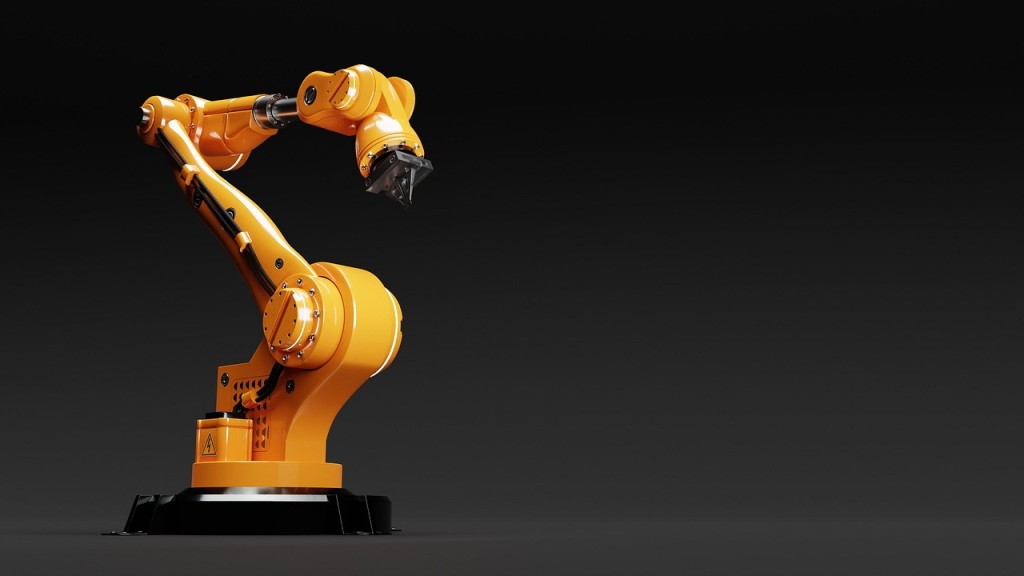
The simplest way to prevent an injury from a high-risk task is to remove the human from the task entirely. AI-powered automation and intelligent robotics are now routinely handling the most stressful, repetitive, and physically demanding jobs, from handling toxic materials to hauling heavy loads.
How it works: In advanced manufacturing facilities, Collaborative Robots (Cobots) now operate in proximity to humans, but the most dangerous tasks—such as pouring molten metal or operating high-pressure cutting tools—are fully isolated. Autonomous Mobile Robots (AMRs) in logistics facilities navigate complex floor plans to transport materials, eliminating human-operated forklift traffic, a major source of internal collisions.
Implementing comprehensive ergonomic interventions—which AI-driven digital twin analysis and automation facilitate—is proven to be highly effective, leading to a reduction in the risk of Musculoskeletal Disorders (MSDs) in key high-risk areas by up to 42%.
4. AI-Driven Fatigue and Distraction Monitoring
Human error, especially fatigue and distraction, remains a top driver of accidents in transportation and heavy machinery operations. Modern AI systems are moving beyond simple motion sensors to actively monitor the operator’s state.
How it works: Commercial vehicle fleets in logistics use in-cab AI systems to analyze a driver’s micro-behaviours, including eyelid closure rates, gaze patterns, and head-nodding frequency. These systems detect the earliest signs of drowsiness or distraction and issue an immediate, multi-sensory alert, allowing supervisors to intervene proactively and enforce mandated rest breaks.
AI and digitalization efforts in Occupational Safety and Health (OSH) are widely expected to enhance prevention efforts, with general expert consensus projecting that the integration of AI tools (including monitoring and predictive systems) will help reduce overall workplace injuries by up to 30% over the next decade.
5. Digital Twin Simulation: Optimizing Ergonomics and Workflow
A Digital Twin is a virtual replica of a physical workplace. AI uses this replica to run millions of simulations to optimize safety and workflow before any physical work begins, eliminating risks in the design phase.
How it works: Before a new manufacturing assembly line is commissioned, the Digital Twin simulates the flow of materials and workers. AI algorithms highlight potential ergonomic risks, such as repetitive twisting motions or pinch points. The system also supports Virtual Reality (VR) training built directly from the twin to safely train maintenance staff on complex, high-risk procedures.
Studies have shown that VR safety training simulations, which are often built using Digital Twin data, result in a 43% reduction in lost time due to injury compared to traditional training methods, thanks to improved hazard recognition and behavioural rehearsal.
Evolve Your Workplace Safety Training
The proliferation of AI systems means the job of the human safety professional is not obsolete – it is elevated.
Safety training companies must shift their focus from teaching basic compliance to teaching data literacy.
ACUTE Environmental & Safety Services offers expert-led training designed to meet your industry’s specific needs. From hazard awareness to PPE use and emergency response, our team ensures your employees start strong and stay safe.
What Our Customers Are Saying…
Acute is recognized and respected as a people organization and they have been doing it right for a long time.
Acute has been a staple in supporting my companies over the years and have always delivered quality amd dependable service. Training programs are top shelf and a great facility for practical application. couldn’t recomend them more. keep up the great work folks.
We were referred to ACUTE on behalf of our employer for an n95 mask fitting – the staff here are professional, personable, and informative.
I’d come back here for any safety-related training in a heartbeat.